Human-centric Transformation

Business Starts with People
Before there was a business model, a system, a process, or artificial intelligence, there was a human need.
Someone needed something. Someone created value. Someone exchanged value for it.
That simple interaction sits underneath even the most complex business ecosystem.
Humans are at the centre of the business engine.
A business may legally exist on paper, but people bring it to life through creating, deciding, producing, buying, selling, delivering, and experiencing value.
Transformation Starts Within
Leadership must be ready to lead the change
Transformation may begin with growth, an operational challenge, new technology, or a changing market.
But underneath it sits an important question:
Are we genuinely ready to change?
Owners and leaders carry the vision, but transformation also asks them to challenge assumptions, habits, and natural fears around change.
We work closely with leadership because transformation needs visible endorsement, empowerment, participation, and accountability.
Transformation cannot simply be delegated.


A Business Is a Human Ecosystem
Every business connects people.
Owners, leaders, employees, clients, suppliers, partners, professionals, regulators, and communities all interact within the same ecosystem.
Processes organize those interactions. Technology supports them. Data helps us understand them.
Without people, the engine stops.
That is why we do not transform businesses by looking only at processes, technology, or organizational structures.
Then We Listen to the Business
Leadership gives us direction.
The people performing the work give us reality.
There is often a gap between how a process is designed and how it actually happens.
We listen to the people serving clients, operating systems, making decisions, and managing daily exceptions.
They know where work slows down, where people improvise, and where opportunities are hidden.
Their knowledge is a business asset. Ignoring people creates resistance.
Involving people creates ownership.


Resistance Is Part of the Journey
Change naturally creates resistance.
We do not treat resistance as something to silence. We treat it as information.
People may not understand the change. They may fear losing familiarity, control, or relevance. They may also see operational realities that others have missed.
So we involve people early.
We listen, communicate, test, learn, build skills, and create space for participation.
Uncertainty can gradually become ownership.
We Follow the Human Experience
The client journey connects the business
Behind every client interaction sits an internal journey.
Marketing creates an expectation. Sales makes a promise. Operations delivers it. Systems carry information. Policies guide decisions. People make it all happen.
The client experiences the combined result.
That is why we map the client journey and look beneath it.
A delay may reveal a process problem.
A complaint may expose a skills gap.
A workaround may point to a system or requirements issue.
These gaps become our intervention points.
Everything Is a Process
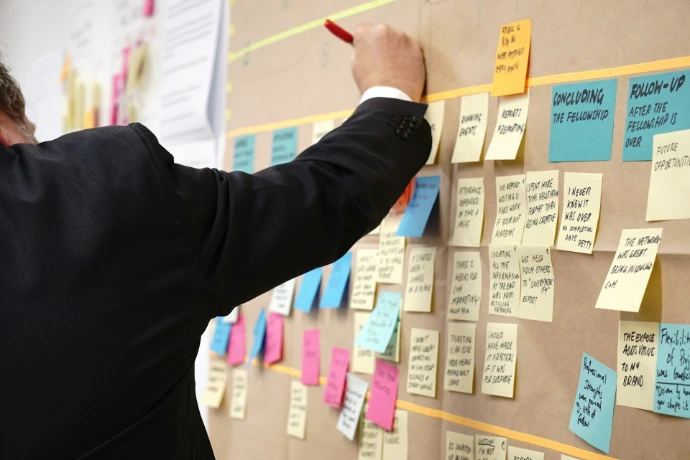
The client journey, sales, hiring, procurement, product development, production pipeline, information flow, decision making, and transformation itself all move from one point to another.
When we understand that movement, we can see what supports it, what blocks it, who influences it, and how its performance can be improved.
This allows us to see one connected business engine instead of isolated departments.
The Transformation Blueprint
We compare the current state with the business objectives.
The space between them becomes our transformation space.
The intervention may touch people, processes, leadership, strategy, finance, policies, CRM, ERP, data, governance, legal readiness, market strategy, brand, digitalization, CSR, expansion, or AI readiness.
We connect the required interventions into one transformation blueprint.
Not a generic template.
Not a standard package.

Our Transformation Flow
Listening..
To understand the vision, people, operation, and reality.

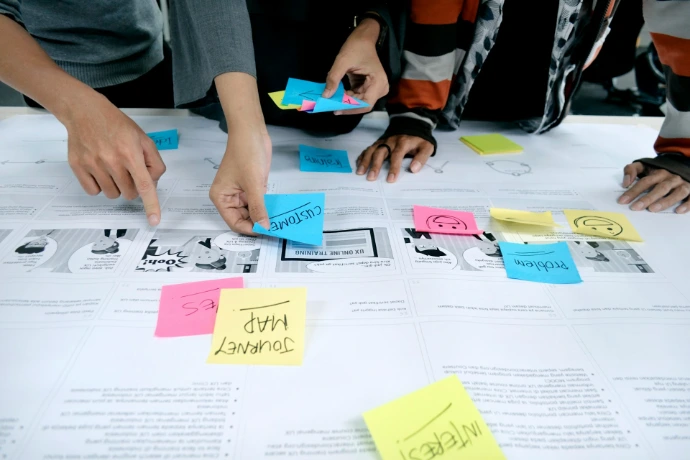
Mapping..
Follow the business journey, client journey, processes, systems, information, and stakeholders.
Understanding..
Identify gaps, root causes, risks, strengths, behaviours, and opportunities.

Aligning..
Connect leadership objectives with operational reality.

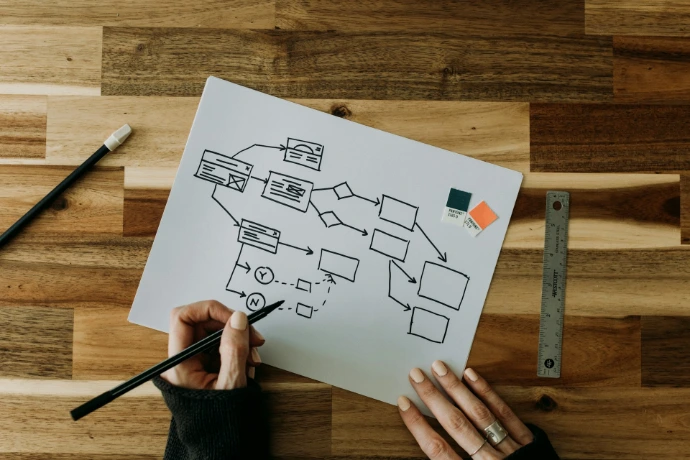
Transforming..
Introduce the right interventions in practical phases.
Measuring..
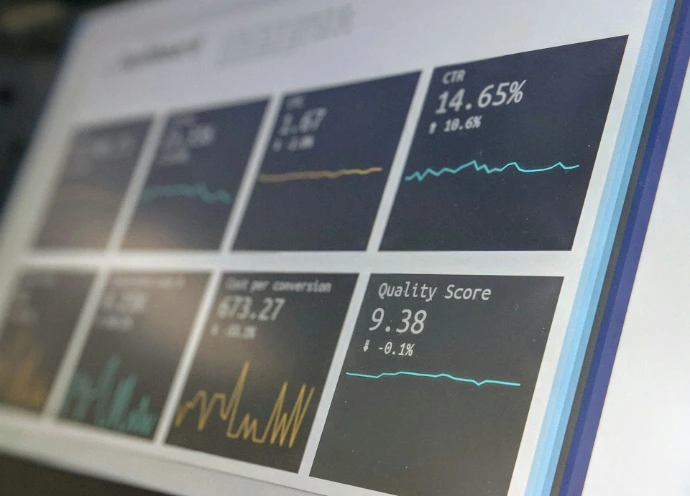
Track KPIs, progress, performance, and impact.
Empowering..
Transfer knowledge and strengthen the business’s ability to continue improving.


What Human Centric Means to Us
Human centric transformation does not ignore profitability, efficiency, performance, or technology. It recognizes that people create those outcomes.
- Better processes help people work better.
- Better information improves decisions.
- Better leadership creates clarity and culture.
- Better systems reduce unnecessary effort.
- Better client experiences create trust.
- Better skills allow technology to create value.
People Give the Business Life
We understand the engine and the humans who keep it moving.
We listen.
We follow the processes.
We identify the gaps.
We connect the interventions.